Biguine is a two-beat music and dance style created in the second half of the 19th century in Saint-Pierre, then the capital of Martinique and one of the main ports in the Caribbean. It enjoyed its golden age in mainland France in the 1920s and 1930s and remained popular until the mid-1960s. This podcast brings to life the key figures behind the success of the Biguine—musicians, singers, dancers, conductors, and more—through a series of portraits. It also recontextualizes the atmosphere and customs of the era. Dive into the world of the Biguine in Paris today!

Let’s get to know each other first… And then, why a podcast specifically dedicated to the French West Indies and French Guiana? We’ll explain everything. 🙂

Before diving into a series of portraits of men and women who have championed biguine, here is a quick refresher on what biguine is.

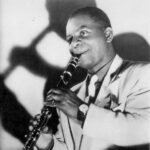
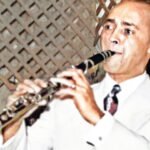
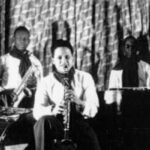
The Martinican musician and composer Alexandre STELLIO, alias Fructueux ALEXANDRE (1885-1939), is THE greatest clarinetist of the French West Indies and French Guiana and THE most emblematic figure of Biguine music. He is a role model whose legacy is still claimed today by many disciples of the clarinet, a key instrument in traditional Caribbean music.

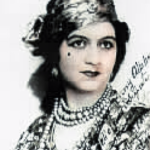
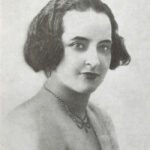
Maïotte ALMABY (born March 29, 1890 in Toulon and died June 17, 1939 in Paris) was a musician, composer, conductor, and opera singer from Martinique. She was the first woman of color to attend the Paris Conservatory and the first Caribbean woman to produce a commercial record.

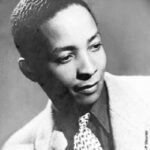
Ernest Léardée (November 9, 1896–April 13, 1988) was a multi-instrumentalist, composer, conductor, and businessman from Martinique. A former sidekick of Stellio, the undisputed master of biguine, Ernest Léardée embodies the very essence of the Caribbean musician through his long and eventful life.

Fernande de Virel (March 31, 1881–May 3, 1953) was a Guadeloupean composer, songwriter, singer, violinist, pianist, and teacher. She was the mother of singer Moune de Rivel.

Eugène Delouche was an organ builder, clarinetist, saxophonist, producer, and publisher from Martinique (1909–1975). Of all the musicians from the French West Indies, he was the one who followed most closely in the footsteps of the legendary master STELLIO before forging his own style.

Guardian of the musical heritage of Saint-Pierre, the former capital of Martinique, Leona Gabriel was a singer, songwriter, and presenter from Martinique (June 9, 1891–August 11, 1971). Among other things, she is credited with writing the standards Asi paré and Maladie d’amour, which was also sung by Henri Salvador.

Félix Valvert (April 21, 1905 – November 3, 1995) was one of Guadeloupe’s most talented multi-instrumentalists and conductors. He was nicknamed “the most Cuban of Caribbean musicians” and was one of the most active figures in connecting musicians from across the Caribbean who had gone into exile in mainland France.

Jenny ALPHA (April 22, 1910-September 8, 2010) was a singer, conductor, and actress from Martinique, a major figure who lived through the 20th century. She died at the age of 100, remaining professionally active until the end, which made her the oldest French actress for a while.

Samuel Sabinus Castendet, known as Sam Castendet (December 30, 1906 – January 18, 1993) was a musician, composer, and conductor from Martinique whose signature instruments were the clarinet, drums, and double bass. He replaced Stellio and popularized the biguine at the 1931 International Colonial Exhibition.

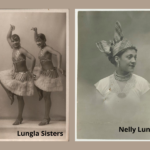
The Lungla Sisters were a duo of dancers from Martinique, consisting of Bérénice (1897–1976) and Renée (1901–1997), contemporaries of Josephine Baker, their inspiration.

Nelly Lungla (1903-1984) was the youngest of the siblings, a dancer, singer, and songwriter.

The Martial brothers were a Guadeloupean trio consisting of Tom (1910-1931), Bruno (1912-1984), and Claude (1913-1991). They almost officially represented biguine at the 1931 Colonial Exhibition, but fate decided otherwise. Instead, they became essential musicians on the traditional and jazz scene.

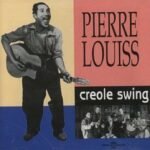
Pierre LOUISS (June 29, 1908–May 31, 1986) was a guitarist, trumpeter, composer, singer, and conductor from Martinique, and father of the great jazz musician Eddy LOUISS, who began his career with him.

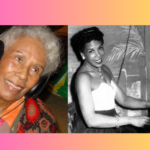
Moune de Rivel (January 7, 1918 – March 27, 2014), nicknamed “The Grande Dame of Creole Song,” was a French singer, musician, music school director, actress, producer, entrepreneur, and painter originally from Guadeloupe.

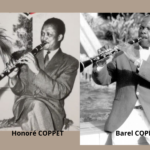
Born into a large family of musicians, Honoré (1910-1990) and Barel COPPET (1920-2009) were clarinetists, saxophonists, and conductors from Martinique who trained many generations of musicians in Africa and the Caribbean.

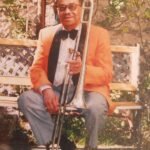
Al Lirvat, born on February 12, 1916, in Pointe-à-Pitre and died on June 30, 2007, in Paris, was a Guadeloupean biguine and jazz musician, one of the best French jazz trombonists of his time, an outstanding conductor, and composer. He is best known as the creator of several styles of biguine, including the wabap biguine.

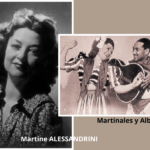
Wife of the famous Guadeloupean trombonist and conductor Al LIRVAT, Martine ALESSANDRINI (October 14, 1913-August 31, 1979) was a Corsican singer of biguine and, more broadly, Caribbean music. Together, the couple formed the successful duo “Martinales y Alberto.”

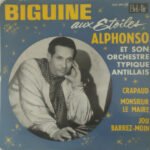
Alphonso, whose real name was Louis Jean-Alphonse (1905-1981), was born in Martinique. He is the Caribbean musician with the largest discography, with over a hundred 78 rpm records.

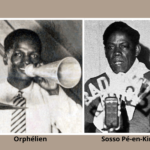
In this episode, through two intertwined portraits, those of Orphélien and Sosso Pé-en-kin, we are introduced to the chansonniers of biguine, who are Creole griots.

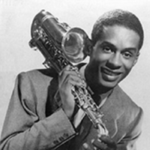
Robert Mavounzy (April 2, 1917–March 24, 1979) was the greatest saxophonist in the Caribbean!
A pioneer of bebop, equally at ease with jazz and biguine, he co-founded biguine wabap with his lifelong partner, Al Lirvat.

Stella FELIX (March 18, 1928 – January 25, 2011) was a Martinican singer of traditional and pop music. Longtime companion of Guadeloupean conductor Felix Valvert, her mentor, from whom she eventually broke free, she proved that beauty and talent could go hand in hand.

Gérard La Viny (April 17, 1933–October 6, 2009), nicknamed “The Ambassador of the Antilles in Paris,” was a Guadeloupean entertainer, singer, crooner, guitarist, and composer. His name will forever be associated with the legendary cabaret “La Canne à sucre.”

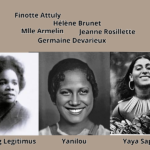
This episode highlights several female figures, musicians, singers, dancers, occasional actresses, personalities of Caribbean and Parisian nightlife… who are less talked about but who also contributed to the heyday of biguine in Paris. Notably Germaine Devarieux, Finotte Attuly, Hélène Brunet, Yanilou, Darling Legitimus, Mlle Armelin, Yaya Sapotille, and Jeanne Rosillette.

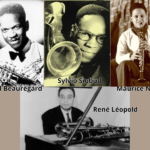
This episode highlights the accompanying musicians on whom an entire orchestra relies, musicians so virtuosic that they become indispensable. It features portraits of Abel Beauregard (1902-1957) and Sylvio Siobud (1911-2005) from Guadeloupe, and Maurice Noiran (1914-1978) and René Léopold (1909-1996) from Martinique.

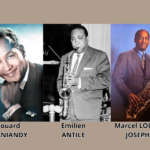
This episode honors three of the greatest saxophonists of Caribbean-Guyanese music of their time: two Guadeloupeans, Edouard PAJANIANDY [1916-2004] and Emilien ANTILE [1925-1980], and one Martinican-Guadeloupean, Marcel LOUIS-JOSEPH [1929-2018].

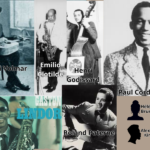
This episode highlights the Guianese figures of the Biguine in Paris, who are often overlooked in history. It features guitarists Henri Volmar and Roland Paterne, double bassists Paul Cordonnié and Henri Godissard, clarinetist Alexandre Kindou, saxophonists Emikio Clotilde and Gaston Lindor, and singer Hèlène Brunet.

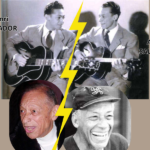
In this episode, we talk about two brothers, the Salvador brothers, who looked almost identical and were equally talented, but whose careers took diametrically opposite paths.

If we mention Henri Salvador (July 18, 1917 – February 13, 2008), you think of French pop music, legendary soft and sweet songs, and hearty laughter.

But did you know that he had an older brother named André Salvador (October 27, 1913–June 24, 2003), who was also a singer, and that both of them had roots in the French West Indies and French Guiana?
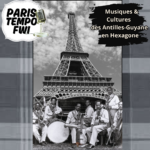
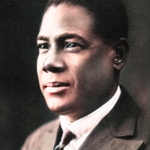
In this episode, we focus not on the music itself, but on everything surrounding biguine at the societal level.

That’s a wrap, the end of the line… we’ve reached the end of our PARIS-BIGUINE series. Are you still with us? Great! How did you find this first series—good or not so good?

Leave a Reply